CodeChest / Global
Software development built around the next useful release.
Turn a business problem into a clear product scope. CodeChest helps you plan websites, mobile applications and custom systems, from the essential user journey to the work required for launch.
Discuss your project
Build a web experience around what people need to do. From explaining a service to managing an account, we define the journeys, content and system behaviour before turning them into a development scope.
Explore the service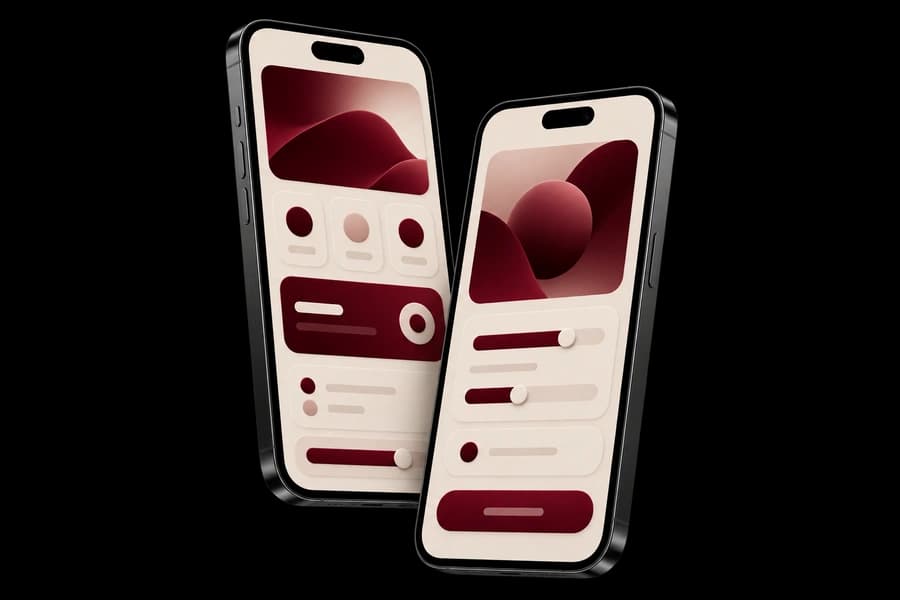
Give customers or your team a useful mobile workflow. We help define an app’s essential journeys, the backend it depends on and the work needed to take the first release toward launch.
Explore the service
Connect the work that spreadsheets and disconnected tools leave between teams. We map the process, roles and data before deciding whether you need an integration, a focused module or a new business system.
Explore the serviceChoose a product shape before choosing a stack
A website can explain an offer and capture enquiries. A web application lets people sign in, complete transactions or manage shared information. A mobile app may suit a service people return to regularly or a workflow that needs device capabilities. A custom business system can coordinate the work behind those experiences. These options can share data, but they do not have to be built together. Start with the user, the task and the smallest useful outcome.
For an early product, the first release should answer a specific question: can the intended user complete the core task, and does the workflow fit the business? For an established operation, the question may be whether a repeated manual step can be removed without disrupting existing tools. We use these questions to define boundaries, dependencies and acceptance criteria. A clear boundary is more useful than a long list of technologies.
Discovery, delivery and a usable handover
Bring a short explanation of the problem, examples of the current process and any existing systems. We can map user roles, essential journeys and integration requirements before preparing a development scope. Where an assumption is uncertain, identify the work needed to test it: a prototype, an API check or a sample data import. This keeps the estimate connected to evidence instead of treating unknowns as completed decisions.
Design and development need a feedback process. Agree who can approve changes, how decisions are recorded and what constitutes a completed feature. Testing should cover the whole journey, including unsuccessful payments, expired sessions or incomplete records where relevant. For handover, define documentation, repository access, account ownership and support responsibilities in the agreed scope. These details matter even when the initial product is small.
Working across countries and time zones
An English interface is a starting point for an international product, not a complete market plan. Decide which countries the first release serves and whether users need other languages, local currencies, address formats or support hours. A payment or messaging service must be checked for the actual account and destination market. We do not assume that a provider available in one country works everywhere. Market-dependent requirements belong in the discovery work.
For remote collaboration, set a meeting window, a decision owner and a practical review rhythm. Share existing technical documentation when the product depends on another team or supplier. If launch must coincide with an event or campaign, separate features required for that date from later work. We can then discuss a release plan with visible dependencies rather than an unsupported promise of a universal delivery date.
Projects — CodeChest
Next step
Tell us about your users, the problem and the essential journey. Let’s clarify the scope and the next steps.
 codechest